
Selling cakes from your front garden? What you need to know about the tax implications
23 September 2026
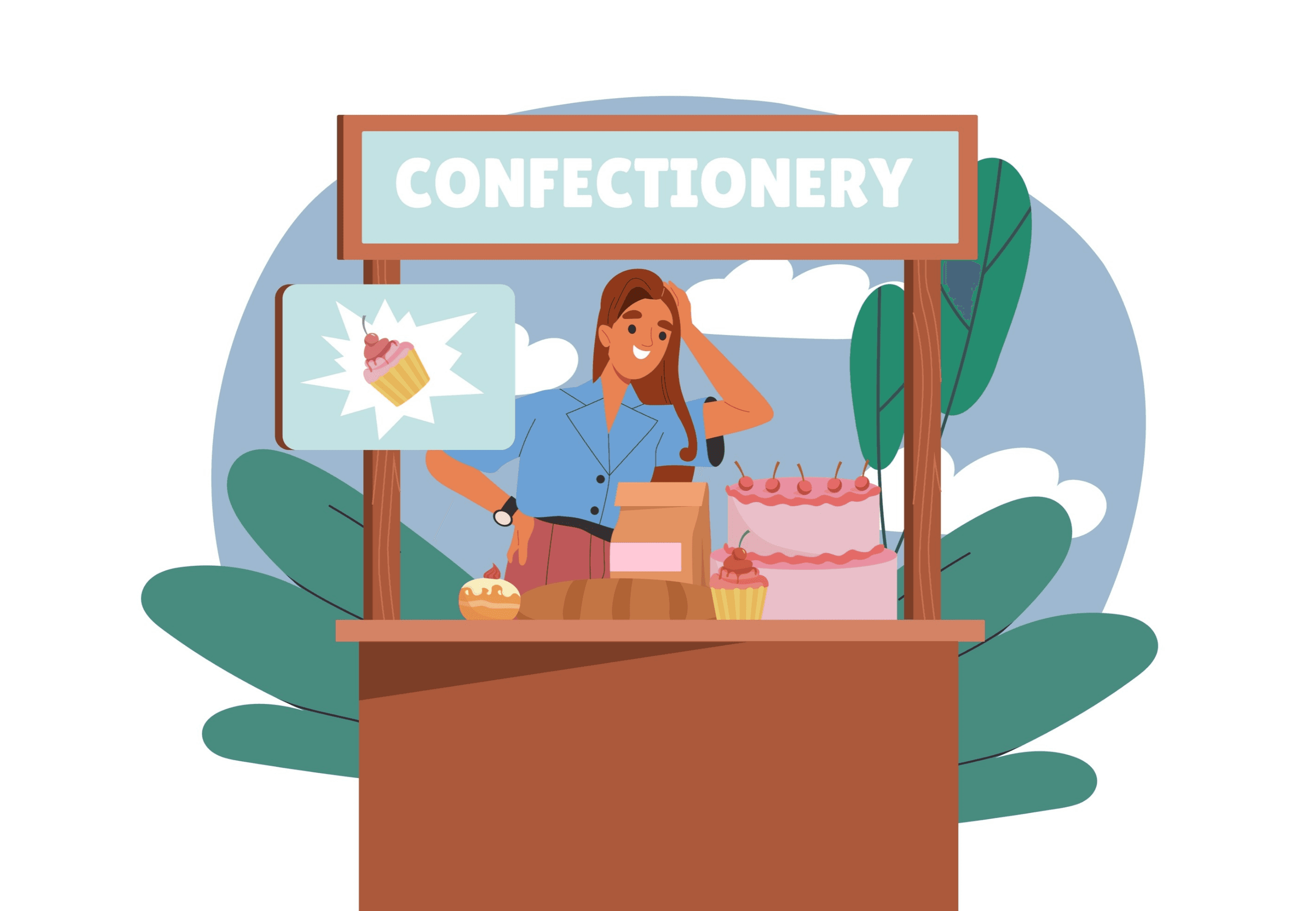
From homemade cakes and brownies to fresh sourdough bread, garden honesty stalls are becoming an increasingly popular way to make some extra money.
If you have decided to set up your own sweet treat stall, there is something important you need to think about alongside baking your goodies: tax.
What might start as a small side hustle could create tax responsibilities depending on how much you earn.
When do I have to pay tax on earnings from the cake shed?
Not everyone who sells a few cakes from their front garden will need to pay tax. The amount you earn is an important factor when working out whether you have any tax obligations.
The UK Trading Allowance means you can earn up to £1,000 in gross trading income each tax year without needing to register or report the income in most circumstances.
Once your income goes above this amount, you will need to look more closely at your responsibilities.
If your income is between £1,000 and £3,000, you may be able to report your earnings using HMRC’s simplified digital service rather than completing a full Self Assessment tax return.
For those earning more than £3,000, you may need to register as a sole trader and complete a Self Assessment tax return.
How do I pay tax on my cake shed earnings?
Many people with a side hustle may have only ever worked PAYE jobs where tax is handled behind the scenes. When you start earning extra income, it’s your responsibility to stay on top of your tax obligations.
The first step is to work out your gross income. This is the total amount you earn across all of your side hustles.
If your gross income is less than £1,000, you do not need to do anything. The income does not need to be registered or reported.
If your gross income is between £1,000 and £3,000, you will need to pay tax on your earnings, but you do not need to complete a full tax return. Instead, log in to your HMRC Personal Tax Account and report your income using the new online service.
If your gross income exceeds £3,000, you must register as a sole trader, sign up for Self Assessment and submit an annual tax return.
What will happen if I ignore my tax responsibilities?
Some shed owners may not realise that their earnings create tax obligations. However, they remain responsible for paying any tax due, and HMRC can use several methods to check whether a side hustle is tax-compliant.
If you miss the Self Assessment deadline or fail to pay the tax due, you may face penalties and interest, some of which can increase daily.
Even if you owe no tax, failing to file a required Self Assessment tax return can result in a £100 penalty.
If tax remains unpaid, HMRC may require you to repay several years’ worth of outstanding tax.
HMRC can use automated data analysis to identify discrepancies between your declared income, bank records and apparent lifestyle.
Deliberate, large-scale tax evasion may lead to a criminal investigation and prosecution.
How can we help?
Setting up a cake shed should be an exciting way to make some extra money, not something that leaves you worrying about whether you have accidentally broken the tax rules.
Speaking to an accountant can help you understand exactly where you stand. We can look at your income, explain which allowances may be available and help you understand what you need to report to HMRC.
Our team can also help with Self Assessment and make sure you are meeting your tax responsibilities as your side hustle grows.
If your front garden has turned into your side hustle, get in touch with our team for tax support.


23 September 2026
22 September 2026
16 September 2026
15 September 2026
9 September 2026
8 September 2026
3 September 2026
3 September 2026
3 September 2026
3 September 2026
3 September 2026
3 September 2026
Have a question? Contact us and a member of our team will get back to you.


