
Consultants in the medical sector first to receive HMRC letters about undeclared income
6 October 2026
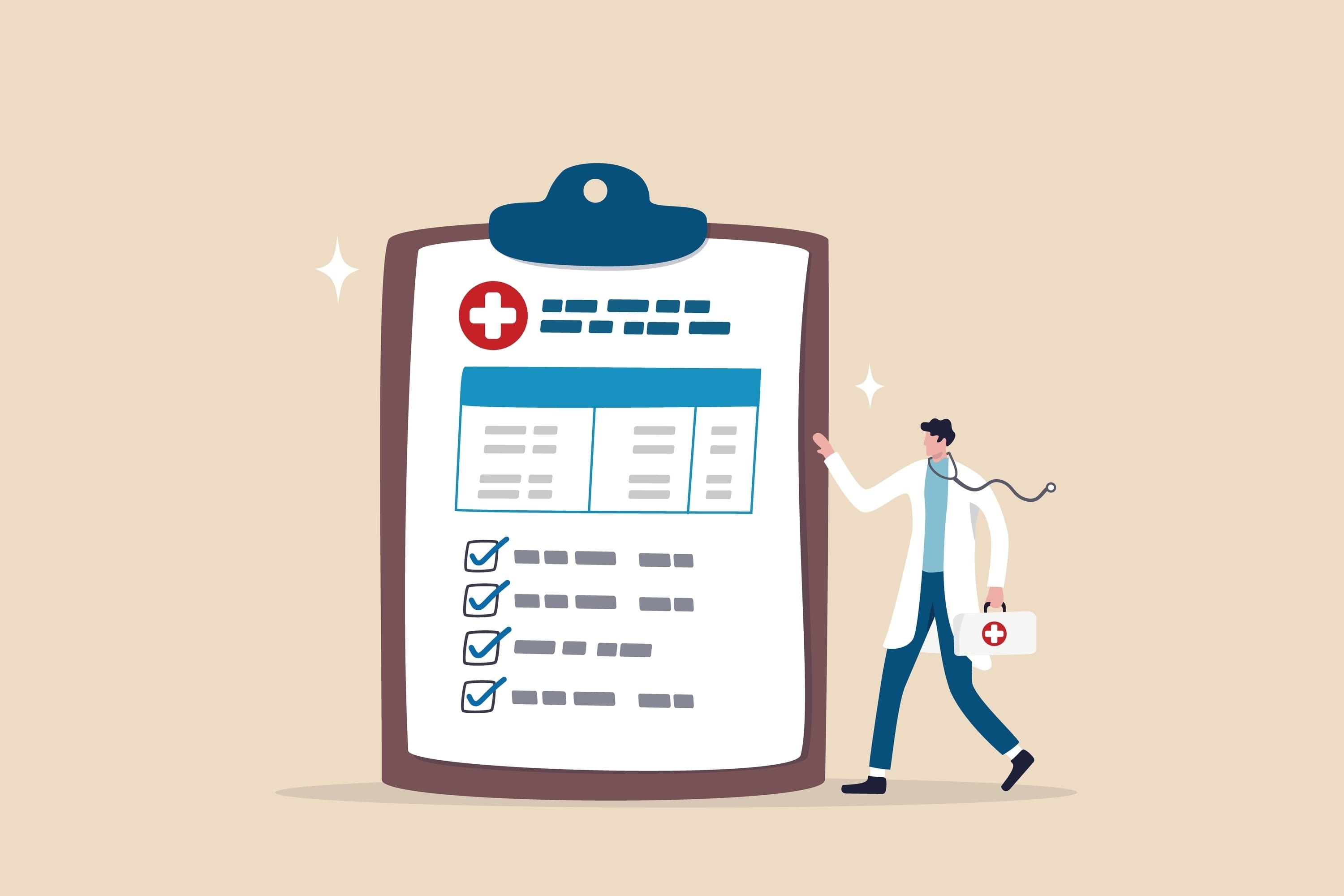
Consultants in the medical sector can expect to receive a letter from HMRC to clarify whether they have accurately declared their income.
The letters are not only being sent to those who have done wrong, so receiving one is not necessarily a cause for concern.
It is best to know how to respond and those performing similar roles in other sectors may expect to be the recipient of the same kind of letter in the future.
Why are consultants in the medical sector the focus of HMRC letters?
All consultants should be mindful that they accurately report the income they receive when filling in a Self Assessment tax return.
After reviewing information from the medical sector, it has become apparent to HMRC that the amount paid out to consultants is not always the same as what is being recorded as their income.
The discrepancy has given rise to concerns that some consultants might be inaccurately recording their income due to poor record management or that some may even be trying to pay less tax by hiding some of their earnings.
Reporting a lower income could result in the incorrect amount of Income Tax and National Insurance Contributions being collected.
As it is unclear whether the issues are malicious, HMRC is investigating the matter through an initial reminder letter that does not constitute a compliance check.
Instead, the letter reminds consultants to verify the accuracy of their Self Assessment tax returns.
How are consultants expected to respond to the letter from HMRC?
Every letter will need to be responded to in some way, with the response being dependent on what action needs to be taken.
For those who are able to verify that all income has been accurately recorded, the response will be a confirmation of this and a declaration that no further disclosure is required.
Where there are issues, they will need to be addressed.
Tax returns can be amended within 12 months of the statutory filing deadline, which is 31 January following the relevant tax year for Self Assessment tax returns.
HMRC expects a disclosure to be made in instances where the deadline has passed and the incorrect income was declared.
Penalties may still be imposed on those who make declarations, but they are often reduced compared to those who attempt to hide mistakes and wrongdoing.
HMRC will discover the true income eventually, so failing to disclose errors can only result in harsher penalties.
Recipients of the letters will have 30 days in which to reply.
As accountants and tax advisers are not receiving copies of the letters, those who want expert support should reach out as soon as possible.
Our team can help to review your Self Assessment tax return to verify whether any action needs to be taken.
From there, we can support you in responding to the letter in a way that is most appropriate.
This matter is unlikely to be exclusive to the medical sector, so other consultants in other sectors should also take measures to verify the accuracy of their Self Assessment tax returns.
Speak to our team for expert support with Self Assessment tax returns and guidance on how to respond to HMRC letters.


6 October 2026
30 September 2026
29 September 2026
23 September 2026
22 September 2026
16 September 2026
15 September 2026
9 September 2026
8 September 2026
3 September 2026
3 September 2026
3 September 2026
Have a question? Contact us and a member of our team will get back to you.


