
Leadership challenges risk value getting lost – How do you protect your business?
23 June 2026
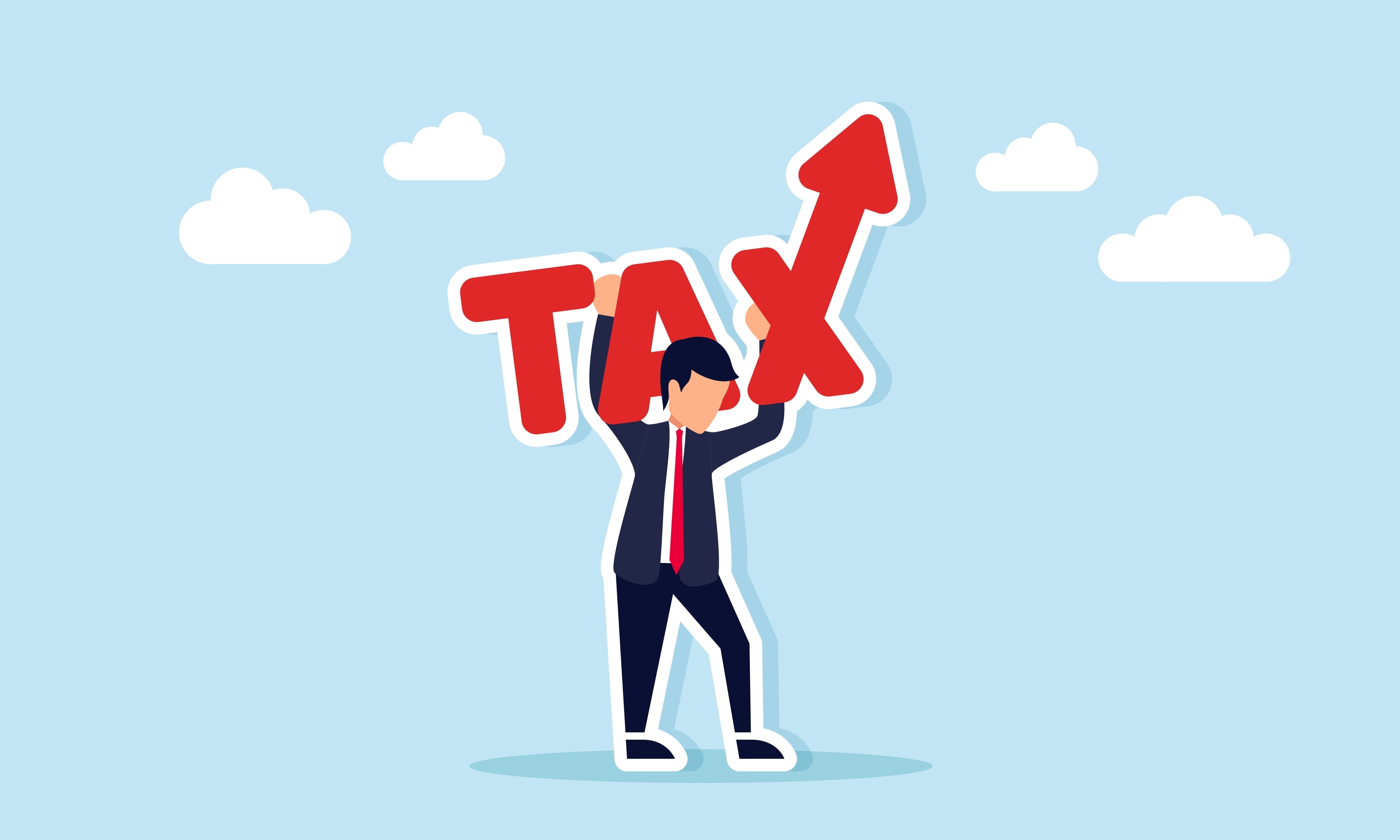
British taxpayers have paid £9.8 billion more in taxes than they had this time last year, it has been reported that they have paid £153.7 billion in tax and National Insurance since the beginning of 2026.
As frozen thresholds push Brits into higher tax thresholds the impacts of fiscal drag become increasingly apparent.
Every minor pay rise has pushed million of taxpayers into paying more tax at higher rates, this is why the Income Tax rates have risen by 53 per cent since 2021.
Compared to this time last year, Brits have paid almost 10 per cent more Income Tax, these bills have been rising ever since the thresholds were frozen in 2021.
The latest HMRC receipts show employer National Insurance contributions (NICs) reached £11.3 billion in May, up eight per cent from £10.66 billion in May 2025.
Businesses are also facing rising overall tax burdens.
Corporation Tax receipts rose 12 per cent in May to £3.3 billion, compared with £2.9 billion in 2025.
Income Tax has recorded one of the sharpest rises since thresholds were frozen, increasing by 46 per cent since 2021.
Total tax collected in May 2025 reached £66.38 billion, bringing the year-to-date total to £153.68 billion, up from £143.90 billion over the same two-month period in the 2025/26 tax year.
Taken together, these figures show the growing impact of fiscal drag.
Fiscal drag is an economic phenomenon, it is where rising wages and inflation pushes taxpayers into higher tax brackets or reduces the real value of tax-free allowances.
With typical economies, wages typically go up to match the cost of living, but if the government freezes tax thresholds two things tend to happen:
In this instance, despite the fact that you may be earning more, your tax contributions may make it feel like you aren’t any better off.
The UK has frozen the income tax thresholds at its current rate until 5 April 2031. The thresholds are:
People across the UK are feeling the effects of fiscal drag more day by day, it is now more important than ever to manage your finances to maximise tax-free allowances.
Maximizing your tax-free allowances allows you to minimise the effects of fiscal drag.
Our team of talented accountants are here to help you maximise your tax-free allowances by creating individual tax plans that fit within your financial plans.
Are you maximising your tax-free allowances? To find out, get in touch today.


23 June 2026
17 June 2026
16 June 2026
15 June 2026
15 June 2026
15 June 2026
15 June 2026
15 June 2026
15 June 2026
10 June 2026
9 June 2026
3 June 2026
Have a question? Contact us and a member of our team will get back to you.


