
The budget is coming: Do you know what a potential raise in the National Living Wage could mean for your SME?
16 September 2026
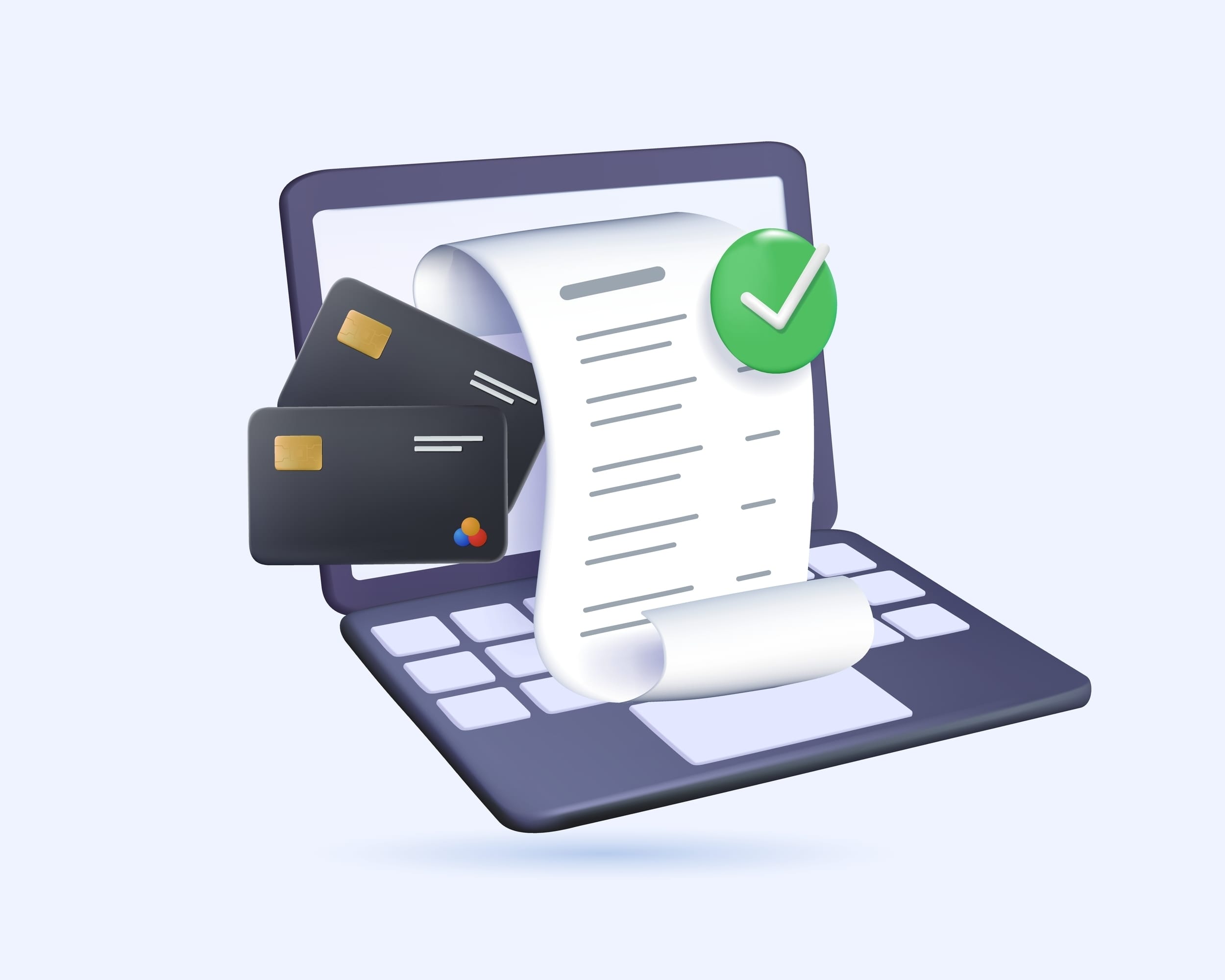
While 2029 might feel like it’s some way off, it will mark a significant shift for businesses across the UK.
We recently reported in an earlier article that 91 per cent of firms were unaware of the incoming changes to invoicing requirements. Now that more firms are becoming aware of these changes, it is time to act.
From 2029 onwards, all B2B and B2G invoices will need to be issued electronically and companies must begin making changes now to allow for a smooth transition.
What is an e-invoice?
E-invoicing replaces traditional methods of sending invoices, whether that’s on paper or as email attachments, with a fully digital process.
Rather than sending a PDF or scanned document, invoice data is transferred directly between systems in a structured format that software can read and process automatically. This means no manual entry, so should result in a smaller margin for error.
Common formats many businesses still rely on, such as PDFs, Word documents, images and HTML emails, won’t meet the new requirements.
HMRC and the Department of Business and Trade are encouraging the move as it reduces administrative effort and errors, but also helps improve oversight, tackle late payments and supports their broader plans to digitalise tax processes.
How should businesses prepare?
Getting ahead of the changes now will make compliance easier when the new rules come into force. One of the first areas to review is your existing software.
Many businesses will need to move to systems that can both send and receive invoices in a structured, machine-readable format through upgraded accounting software.
Internal processes will need to evolve alongside it. This is because invoices will pass directly between supplier and customer systems and businesses will need to work with systems that can handle matching, approval and validation as transactions happen.
Your systems must be set up to capture the correct tax information and detailed line-item data, which helps to reduce the risk of rejected invoices and delays in processing.
These changes are the end of relying on paper documents and PDF attachments, as they instead focus on the move to fully digital invoicing.
Taking steps now means your business can move into 2029 already operating in line with the new standards.
Are there any benefits of e-invoices?
Yes! Transitioning to a structured e-invoicing model provides immediate and measurable advantages for businesses across the UK.
Direct payments from system to system mean invoices are delivered and processed instantly, shortening payment cycles and improving cash flow to businesses.
E-invoices come with built-in validation checks that eliminate human error, resulting in faster approvals.
They also allow for built-in tax compliance, as authorities will be able to perform automated fraud detection, further simplifying compliance.
As well as improving cash flow, e-invoicing also cuts down costs associated with administration. This permanently eliminates printing, postage and manual data processing costs.
How we can help
We are here to support businesses when they make the change to e-invoices by offering guidance on software, assisting with compliance updates and supporting workflow redesign within your finance function ahead of the 2029 changes.
Businesses need to start preparing for these changes now. While the deadline may seem far in the distant future, adapting early allows for seamless transitions.
Get in touch today for expert advice on the digitising of invoices.


16 September 2026
15 September 2026
9 September 2026
8 September 2026
3 September 2026
3 September 2026
3 September 2026
3 September 2026
3 September 2026
3 September 2026
2 September 2026
1 September 2026
Have a question? Contact us and a member of our team will get back to you.


